

Whoa! I wasn’t planning a deep dive today. Really. But after wrestling with three different wallets and a flaky swap interface, somethin’ clicked. My instinct said “stop juggling tabs” and instead try a wallet that actually understands multi-chain flows and real-world UX. Initially I thought all extensions felt the same, but then Rabby revealed differences that mattered to me—tiny things that add up.
I’ll be honest: I care about speed and clarity. Short story — I wanted fewer surprises when I signed transactions. Hmm… the way some extensions hide gas or collapse important details bugs me. On one hand, many wallets are feature-rich; though actually, some pack features so tightly that the experience is confusing for regular users. My first impressions were skeptical. Then I spent a week using Rabby as my daily browser extension and noticed real gains in workflow and safety.
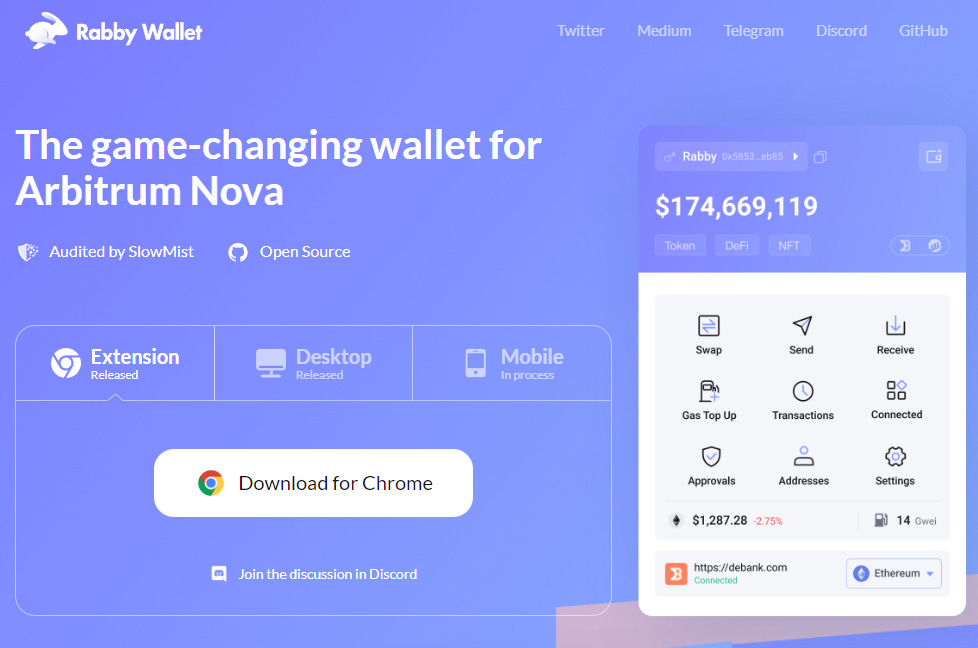
What made Rabby stand out (practical things, not marketing)
First: transaction clarity. When you prepare a transaction, Rabby shows line items and calls out approvals in a way that reduces accidental approvals. That’s very very important to me when I’m jumping between Ethereum, BNB, and other EVM chains. Second: multi-account flow. I can quickly switch accounts and keep separate identities for messing around on testnets versus doing real trading. Third: a neat permission model that makes it easier to spot token approvals that are too broad.
Something felt off about older wallets I used. They’d let approvals slide by. My gut told me “nope” and I went looking for something more explicit. Actually, wait—let me rephrase that: I wanted an interface that forces you to think, just a little, before hitting confirm. Rabby does that without being annoying. On the technical side it’s a standard browser extension, so it’s lightweight and integrates into my normal web flow. But it also layers in subtle protections that cut down on accidental mistakes.
Okay, so check this out—if you want to try Rabby, you can grab it from here with a straightforward install flow. No fuss. The download process felt like setting up an app on my machine: quick, clear, and with decent onboarding prompts for new users who might not be familiar with gas or chain switching.
User experience notes — the small stuff that matters
Short sentence. Small touches matter. For example, Rabby surfaces the “contract call” versus “token transfer” distinction in the signing UI. Many people don’t realize that difference until it’s too late. The interface also makes slippage and gas settings easier to adjust without burying them in an advanced menu. That saved me time and a few failed swaps when the network spiked.
I liked the way Rabby organizes connected sites and approvals. There’s a clear list, and revoking access doesn’t feel like an ordeal. On my ledger of habits (terrible joke), this is important because I often test contracts on testnets and then forget. (oh, and by the way… revoking approvals helped me sleep better.)
On privacy: Rabby doesn’t do anything magical, but it reduces unnecessary prompts and limits exposure by design. My instinct said “less noise = less chance to click the wrong thing.” That was the whole point.
Security considerations — practical trade-offs
Seriously? Browser extensions carry risk. Yes. Extensions have access to pages and can be a target. But Rabby mitigates some of that risk via clearer transaction previews and by encouraging safer flows. Initially I thought an integrated full-node wallet was safer, but then I realized the convenience of a well-built extension often beats a clunky alternative because I’ll actually use it correctly.
On one hand, hardware wallets are the gold standard. On the other hand, daily tasks become annoying if you have to reconnect hardware for every small transaction. So here’s what I do: keep larger holdings in cold storage, use the extension for day-to-day interactions, and keep permissions tidy. That’s my balance. Your mileage may vary.
Now, there are limits. Rabby isn’t a silver bullet. It can’t protect you if you paste a private key into a malicious page or if you authorize a clearly dangerous contract because you didn’t read it. It helps reduce silly errors, but it doesn’t replace good discipline. I’m biased, but that combination of safer defaults and easier visibility made me use it more responsibly.
Workflow improvements I felt after switching
Faster confirmations. Easier network switching. Clearer token approvals. These are the headline items. But the subtle wins were the real payoff. For instance, when a dApp requested an “infinite” token approval, Rabby highlighted that option and suggested a more conservative approval. That nudge alone cut risk for me. Little nudges add up to fewer angry “where did my tokens go?” nights.
Also, the multi-chain tabbing is smoother. I often have positions on multiple chains at once. Being able to switch without hunting for network dropdowns is such a QoL improvement. And because I’m in the US and often dealing with US-based UX expectations, the smoother flows just feel right—predictable, fast, not cluttered.
There’s somethin’ about predictability that reduces mistakes. Predictability builds muscle memory. Muscle memory avoids mistakes. See how that loops? It works.
FAQ
Is a browser extension wallet safe enough for everyday DeFi?
Short answer: Yes, for everyday interactions if you follow basic best practices. Use a strong seed phrase backup, segregate accounts for big and small balances, and review approvals regularly. Extensions increase convenience, but convenience must be paired with responsibility. Keep large holdings out of the daily wallet and use the extension for smaller, active positions.
How do I get started with Rabby?
Grab the extension from the official source here. Follow the setup prompts, write down your seed securely, and start by connecting to a testnet or a small transaction so you can see the signing flow. Practice revoking token approvals after a few uses. I’m not 100% sure every feature will suit you out of the box, but it’s easy to try and quick to learn.
